
全部商品 / 古物修護與鑑識設備 / 古物檢視用顯微鏡, 相機

紅外線相機
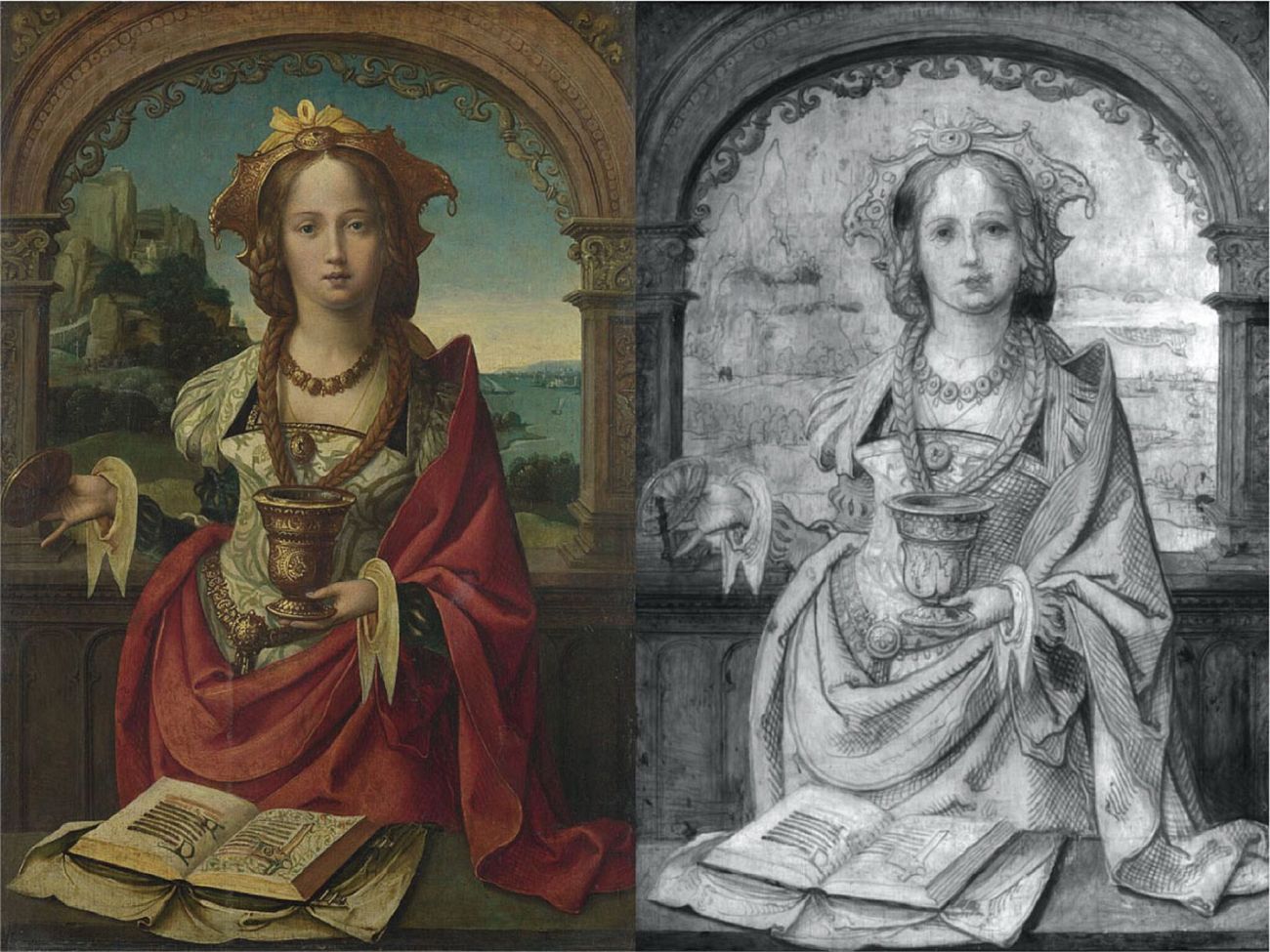
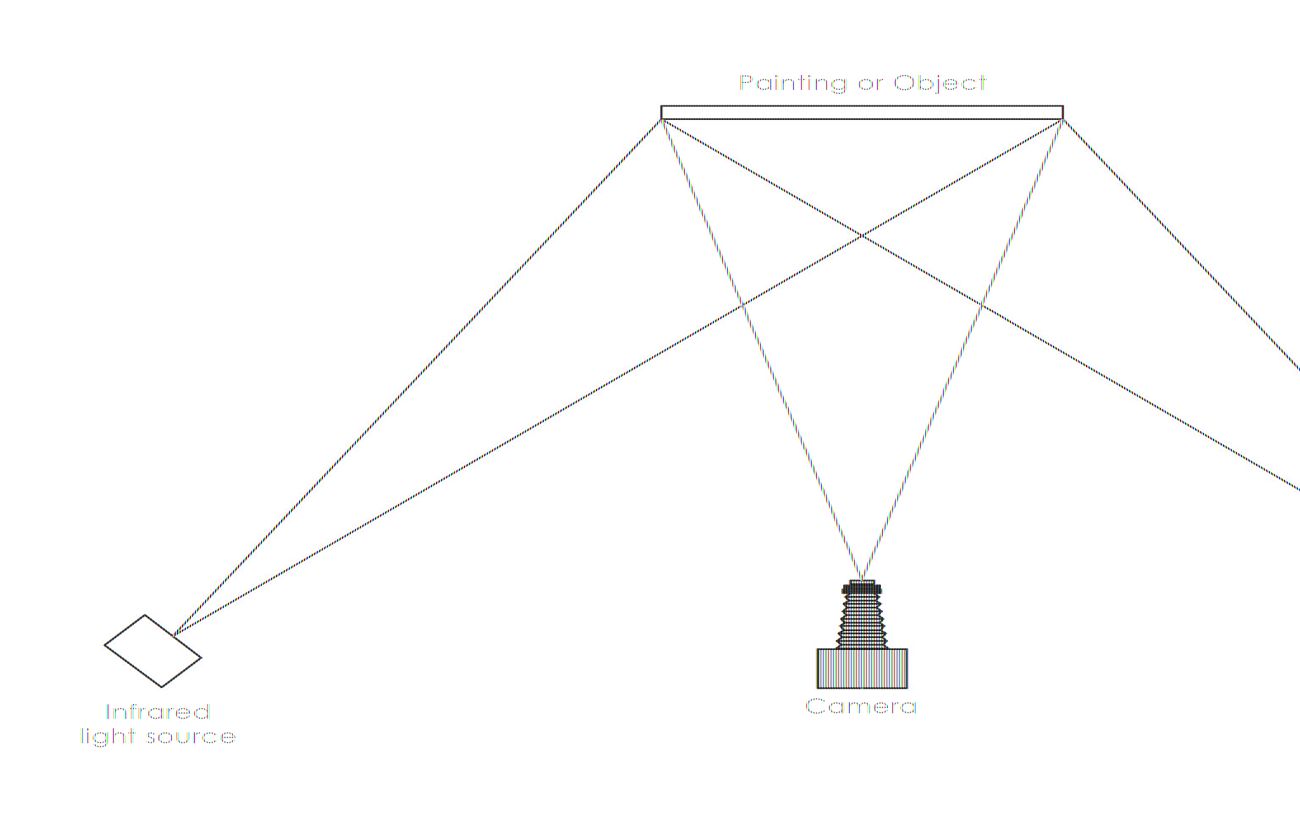
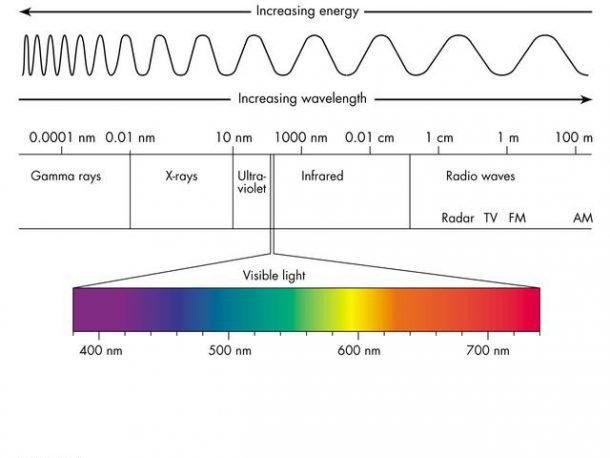
Infrared Reflectography ( IRR ) 紅外線反射映像技術早在 1960 於德國開始應用於古代畫作的修護與鑑識. 特有的紅外光波長, 具有穿透層層的古畫的能力, 表層呈現透明, 底層反射呈現該層的圖像. 考古學者, 得以觀察整幅畫作的內涵圖像, 顏料. 繪圖痕跡.
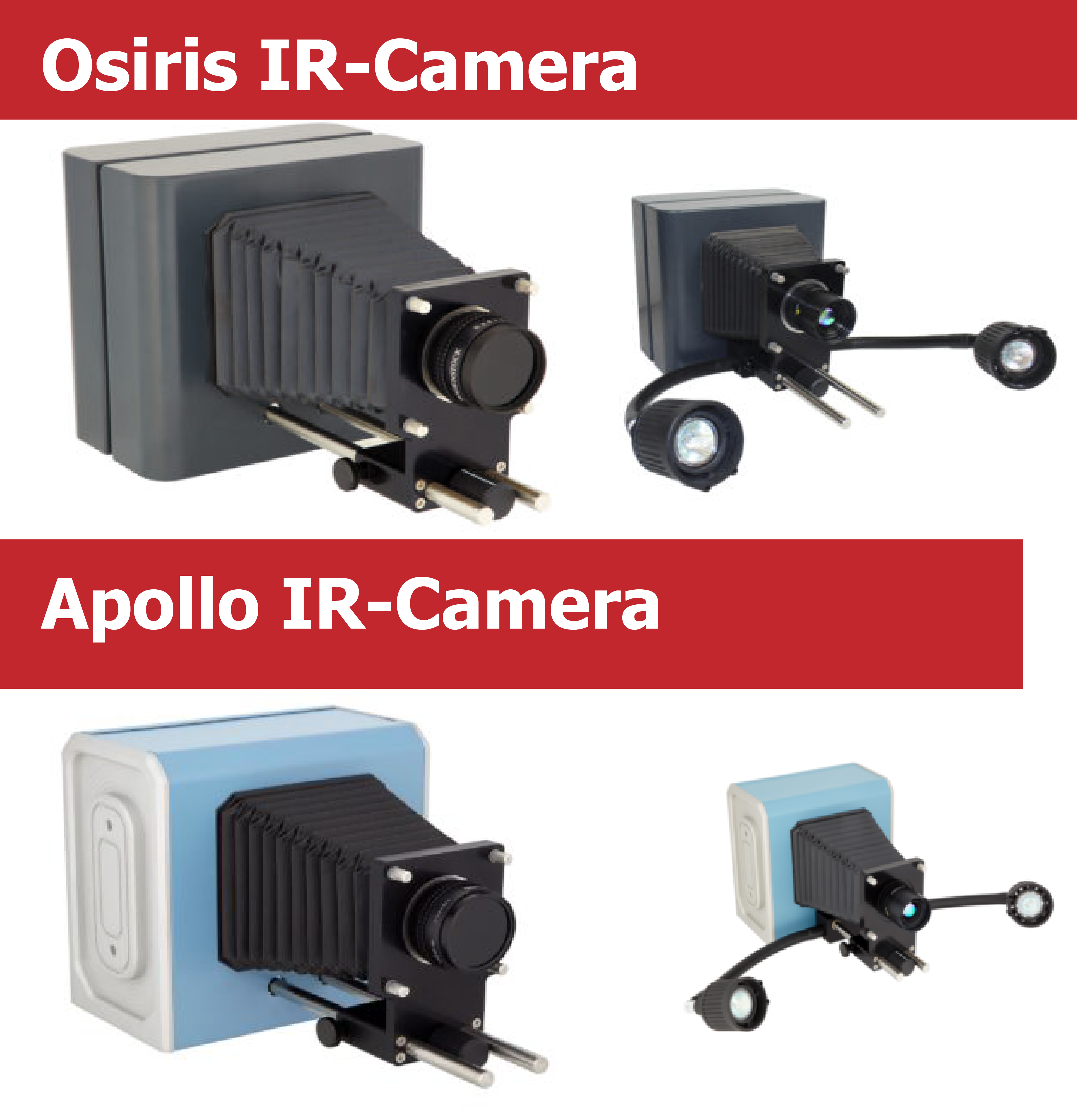
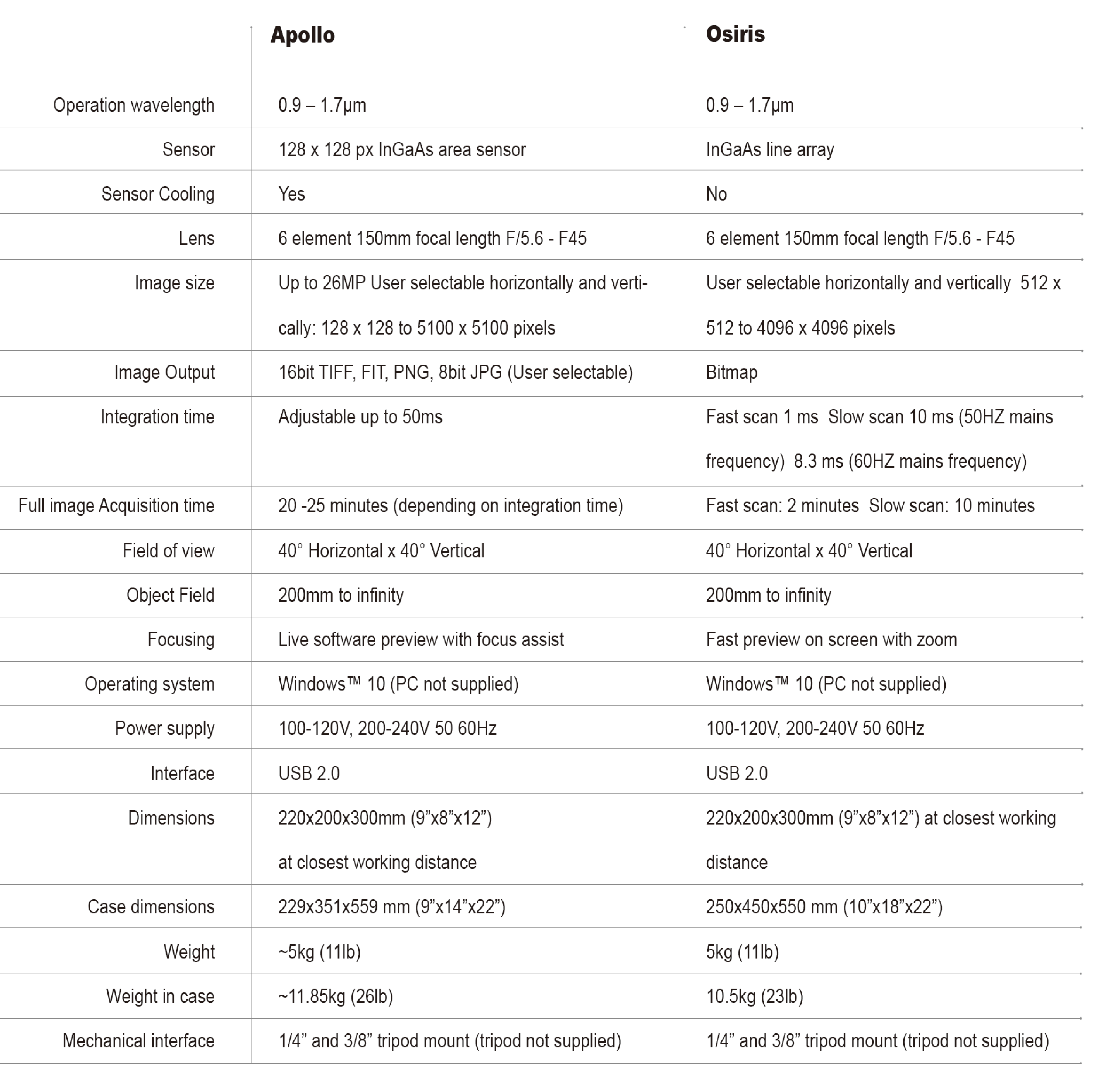
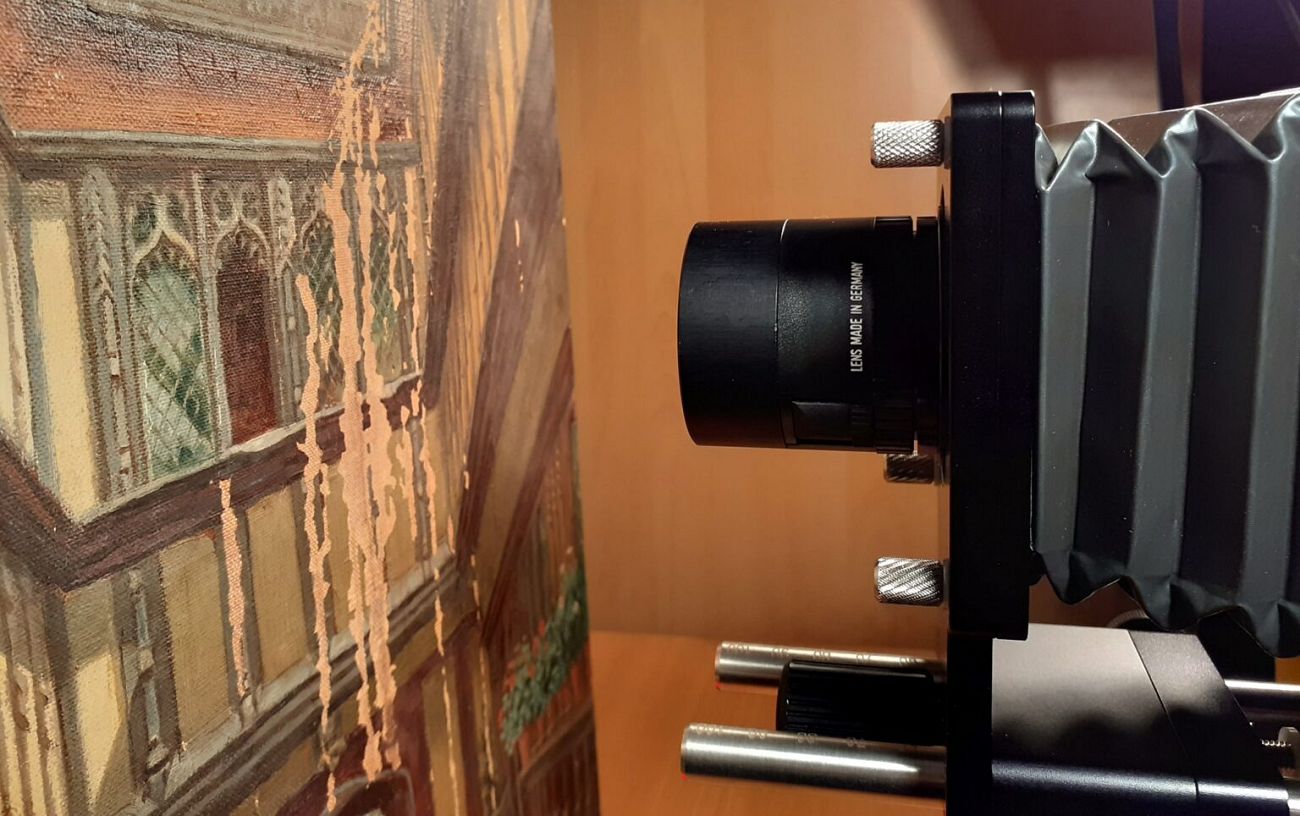
Osiris 紅外光相機, 可提供快速高解析的數位影像, 鏡頭可更換, 可以觀察在可見光看不到的隱藏繪畫.
Osiris 是全球使用者最多的紅外光相機. 也是考古學界必備的基本光學設備. 在畫作的真偽辨識, 修護, 具有實用的價值
Osiris 紅外光相機, 可提供快速高解析的數位影像, 鏡頭可更換, 可以觀察在可見光看不到的隱藏繪畫.
Osiris 是全球使用者最多的紅外光相機. 也是考古學界必備的基本光學設備. 在畫作的真偽辨識, 修護, 具有實用的價值
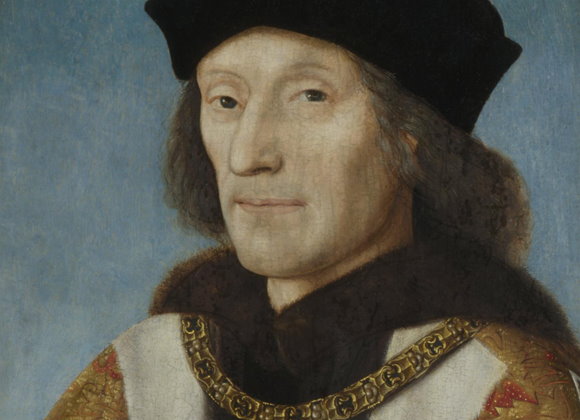
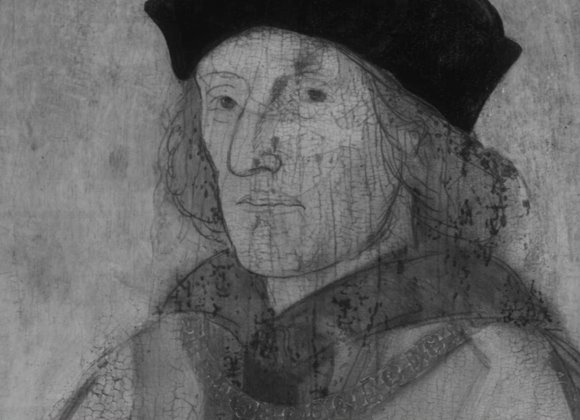
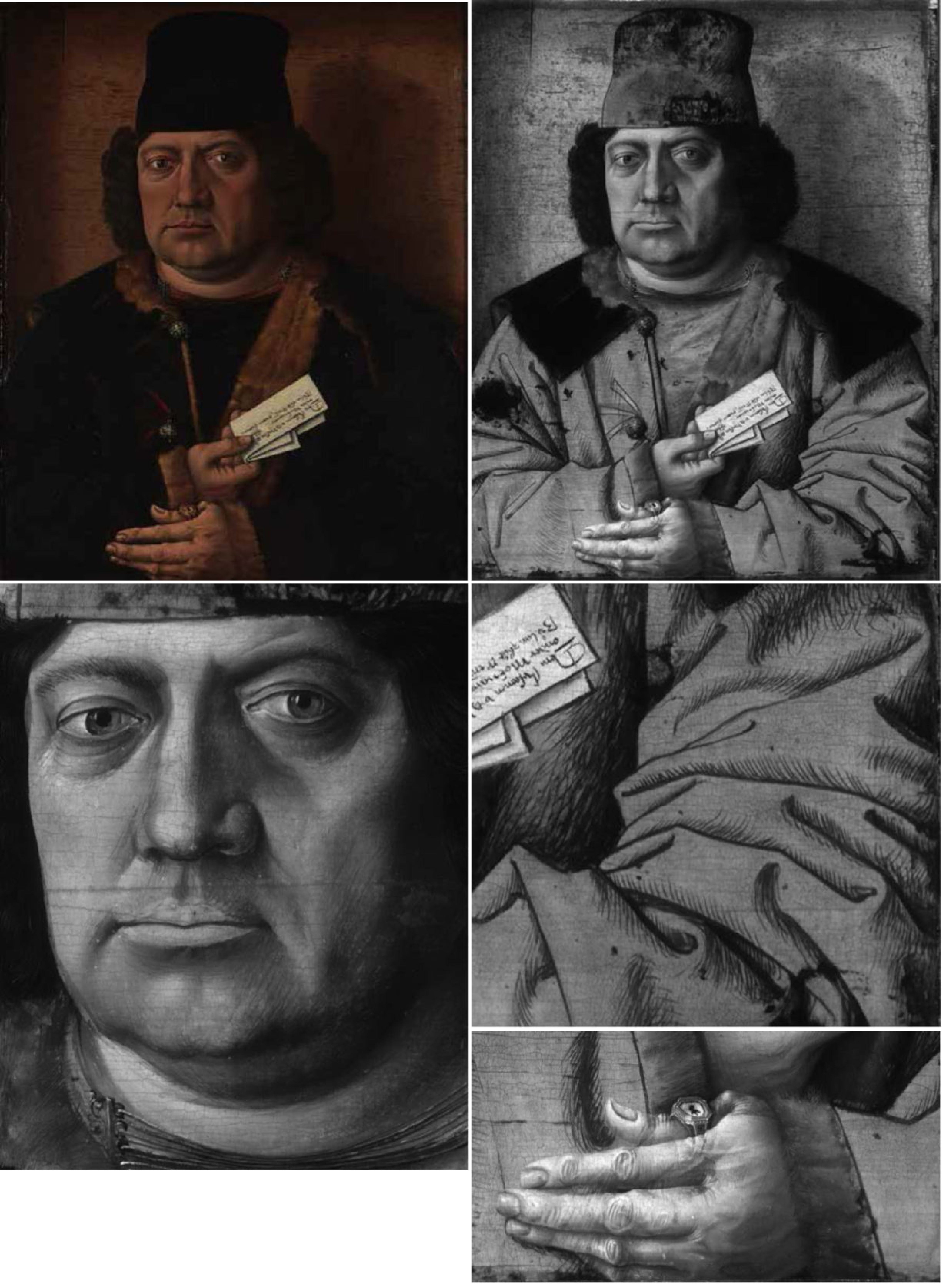
© The National Gallery
by the Master of the Mornauer Portrait,
about 1464-88, Oil on wood, (45.2 x 38.7 cm)
Author/s: Rachel Billinge (The National Gallery, London, Part 1 of 3)
Art historians are interested in all aspects of how a painting was made and infrared reflectography is one of the tools used to help discover the early stages of a painting’s production.
This painting: “The portrait of Alexander Mornauer” is a good example of how IRR can reveal the first pictorial stage – the “underdrawing”.
Underdrawing is the name given to the stage when an artist begins to outline his painting on the canvas (or, as in this case, his prepared wood panel) fixing the design before applying the colour.
The man’s coat and hat now appear a dark brownish black but they were painted deep purple, using two pigments, red and blue, mixed together. The infrared light can pass through this paint to show what is beneath, which in this case is a simple, careful drawing made with a liquid paint using a brush. The coat is outlined and all the folds in the sleeves are drawn. the curves of the folds and the areas where shadows were to be depicted are indicated by short, curved, parallel strokes (known as “hatching”) sometimes crossing each other to make darker shadows.
The way IRR works, any black paint, anywhere in the painting structure, shows black in the image. The man’s hair and the fur of his collar are both painted brown using black mixed with red and so show black in the reflectogram. There are also some black patches on his sleeve and hat. These are areas where the original purple paint has been damaged and been restored using paint containing some black pigment.
The most important part of a portrait is the face and this also has underdrawing, similar in style with simple outlines and networks of hatching to indicate shadows, but it is more delicate and so less easy to see without enlarging a detail.
The hands too have been underdrawn, and looking at the man’s left hand we can see that the original plan was to have the thumb pointing downwards and the fingers disappearing into the coat.
It’s more prominent final position may be to ensure that the ring on his thumb was clearly visible.
Read more about this picture at:
https://www.nationalgallery.org.uk/research/research-papers/close-examination/portrait-of-alexander-mornauer